How much is a home inspection in NC for most buyers?
If you are under contract on a home and trying to budget for due diligence, one of the first questions you will ask is how much is a home inspection in NC. In most cases, buyers in North Carolina can expect a standard home inspection to cost a few hundred dollars, but the real answer depends on the size, age, location, and complexity of the property, along with any add-on services you may need.
A home inspection is a relatively small cost compared with the price of a home, but it can have an outsized impact on your decision-making. A thorough inspection can uncover roofing concerns, electrical safety issues, HVAC problems, plumbing defects, moisture intrusion, and other costly conditions before closing. That is why the lowest price is not always the best value.
For many single-family homes in North Carolina, a standard home inspection often falls somewhere around $350 to $600. Smaller homes may come in below that range, while larger, older, or more complex properties can exceed it.
That range is broad for a reason. An 1,100-square-foot condo is not inspected the same way as a 3,500-square-foot mountain home with multiple decks, crawlspace challenges, and older systems. The scope of work changes, the time on site changes, and the level of reporting required changes too.
In Western North Carolina, topography and home design can also affect pricing more than many buyers expect. Steep lots, difficult roof access, older cabins, unique construction methods, and moisture-prone crawlspaces can all add complexity. A dependable inspection company will price the job based on the property itself, not just a generic statewide average.
What affects home inspection cost in North Carolina?
The biggest pricing factor is usually square footage. Larger homes simply take longer to inspect and document. More rooms, more windows, more outlets, more roofing area, and more mechanical components mean more time and more detail in the report.
Age matters too. Older homes often require a closer look because systems may be at or beyond their typical service life. An older property may also have signs of deferred maintenance, previous repairs, outdated electrical components, or moisture issues that deserve careful evaluation.
Location can influence cost as well. Travel distance, terrain, and regional housing stock all play a role. In mountain areas, homes are often built on slopes, have complex drainage conditions, or include features like retaining walls, multiple porches, detached structures, or hard-to-access crawlspaces.
The type of home also matters. Condos, townhomes, manufactured homes, new construction, duplexes, and investment properties each come with different inspection considerations. A pre-drywall inspection on a new build is different from a full resale inspection on a 1970s ranch, and pricing should reflect that difference.
Finally, the level of service matters. Some inspectors offer a very basic inspection at a lower price. Others provide a more comprehensive evaluation, modern reporting, clear photos, and time to answer questions after the inspection. That difference in service can be worth far more than the gap in price.
What is usually included in the inspection fee?
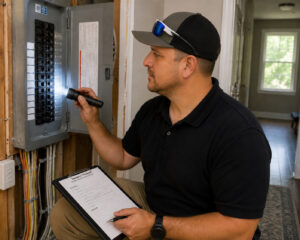
A standard home inspection in NC generally covers the major visible and readily accessible systems of the home. That includes the roof, exterior, structure, grading and drainage where observable, plumbing, electrical, HVAC, insulation, interior components, doors, windows, and built-in appliances.
The inspector is looking for material defects, safety concerns, signs of system failure, and conditions that may need repair, monitoring, or further evaluation. You should also expect a written report with findings, photographs, and practical notes about the property’s current condition.
What is not included is just as important. A standard inspection is not the same as a code compliance certification, a warranty, or a guarantee that no future issues will develop. Inspectors evaluate what is visible on the day of the inspection. Hidden defects, blocked access, and conditions that change over time can still exist.
When add-on services change the total cost
If you are asking how much is a home inspection in NC, it helps to separate the base inspection from specialty services. Many buyers need more than a standard home inspection, especially in North Carolina where environmental and property-specific risks are common.
Radon testing is one of the most common add-ons. In many parts of North Carolina, and especially in mountain regions, radon can be a serious concern. Adding a radon test increases the overall cost, but it can also give you critical information about an invisible health risk.
Wood-destroying insect inspections are another frequent add-on, particularly when a lender, buyer, or agent wants confirmation about termite activity or damage. Sewer scope inspections can also be worthwhile for older homes or properties with large trees, where underground drain lines may be more vulnerable to blockages or deterioration.
Mold or air sampling may make sense if there are signs of moisture, musty odors, or indoor air quality concerns. A 4-point inspection may be needed for insurance purposes on some older homes. For buyers of new homes, phased new construction inspections or an 11-month warranty inspection can also be valuable.
These services raise the total invoice, but they can also sharpen your understanding of the property. In the right situation, they are not extras for the sake of extras. They are targeted tools for risk reduction.
Cheapest vs. best value
It is natural to compare prices, especially when closing costs are piling up. But with home inspections, the better question is not just what it costs. It is what you are getting for that cost.
A low fee may mean a shorter inspection, a thinner report, or less communication after the job is done. That does not automatically mean the inspector is unqualified, but it should prompt questions. You want to know how long the inspection usually takes, what the report includes, whether photos are provided, and whether the inspector will explain findings clearly.
A stronger inspection often saves money by identifying issues early. One overlooked roof problem or major moisture issue can cost far more than the difference between a bargain inspection and a thorough one. For most buyers, confidence and clarity are worth paying for.
How to estimate your inspection cost before you book
The easiest way to get a realistic quote is to provide the property address, square footage, age, type of home, and any services you are considering. If the home has a detached garage, guest house, pool, spa, or additional structures, mention those upfront.
You should also share anything you already know from the listing or seller disclosures. If the home is older, on a crawlspace, in a mountain setting, or has specialty systems, that information helps the inspection company price the job accurately.
A good inspection company will usually explain what is included, what costs extra, and which added services are worth considering for that particular property. That kind of transparency matters. It helps you budget without surprises and choose a scope of service that fits the home.
Why buyers in Western North Carolina should ask a few more questions
Western North Carolina homes often have features that deserve added attention. Moisture management, crawlspace conditions, retaining walls, steep driveways, drainage patterns, and older materials can all affect the inspection process. That is why local experience matters.
An inspector who regularly works in this region is more likely to recognize patterns tied to mountain construction, weather exposure, and regional environmental concerns. At Home Remedy, that local perspective is part of the value. The goal is not just to produce a report, but to help clients understand what the findings mean for negotiation, repairs, maintenance, and peace of mind.
So, what should you budget?
If you want a practical planning number, many buyers in NC should expect a standard home inspection to land somewhere in the mid-hundreds, with the final price rising if the home is larger, older, more complex, or paired with additional testing. A modest condo may cost less. A large mountain property with radon, sewer scope, and pest inspection services may cost significantly more.
That range can feel frustrating if you want one simple answer, but it is also honest. Home inspection pricing is shaped by the property, the scope, and the quality of service. The right question is not only how much is a home inspection in NC. It is whether the inspection gives you the information you need to move forward with confidence.
When you are making one of the biggest financial decisions of your life, clear answers and a thorough evaluation are worth building into the budget from the start.